AI ranking signals for local SEO are changing how local businesses get discovered online.
Local SEO used to be simple. Google told you exactly what mattered to rank: relevance (you matched the query), proximity (you were close to the searcher), and prominence (you had strong reviews and citations).
That playbook worked for years, but discovery is changing. With Google’s AI results and generative platforms like ChatGPT, local SEO discovery in LLMs now looks very different. Large Language Models don’t just mirror Google’s traditional algorithm — they draw on broader, more nuanced signals to decide which businesses to recommend.
Now, ranking isn’t only about Google. It’s about being chosen by AI when a customer asks the question. And that depends on a new set of “hidden” signals you may not have considered: signals that can make the difference between being included in an AI answer or being invisible altogether.
1. Accessibility and Inclusive Attributes
For years, features like wheelchair access, gender-neutral bathrooms, braille menus, or pet-friendly spaces were treated as “optional extras” on your Google Business Profile. Today, they’re part of the local SEO ranking signals AI uses to decide which businesses to highlight.
You can see why. When someone asks an assistant for recommendations, they don’t just say “restaurants near me.” They ask in full detail:“Which restaurants nearby are wheelchair-accessible and kid-friendly?” LLMs break those queries down and match them against the attributes you’ve listed. If you’ve filled them in, you’re in the running. If you haven’t — even if you offer them — you’re effectively invisible.
Google itself has been clear on this. Completing every relevant attribute on your profile, from accessibility to ownership to payment options, increases your chances of being discovered. And because LLMs pull from the same data, a query like*“cafés open late that take Apple Pay”* or “restaurants with outdoor seating and high chairs” will filter out businesses that left those details blank.
2. Comprehensive Google Business Profile Information
AI-driven local search runs on data. And your Google Business Profile (GBP) is one of the richest data sources an LLM can tap. If the information isn’t there, the AI can’t surface it — making profile completeness non-negotiable.
Completeness goes beyond filling in the basics, though. Accurate categories, keyword-informed descriptions, service lists, opening dates, photos, and updated hours all give AI more to work with. In Google’s Search Generative Experience (SGE), for instance, local results often display star ratings, short blurbs, hours, and review snippets — stitched together directly from GBP data. If your profile is thin or outdated, you leave gaps. If it’s thorough, the AI can present your business clearly and accurately.
Details that might feel secondary to you — Q&As about parking, storefront photos, or service attributes — often matter most to searchers. They also matter to AI. Each element adds freshness, relevance, and trust. Even Google stresses that consistent NAP (name, address, phone), correct categories, and regular updates improve local visibility. The same logic now applies to AI discovery.
Think of your GBP as a structured knowledge base for your business. The more complete and current it is, the more confidently an LLM can surface your business when someone nearby asks a question that matches what you offer.
3. User Engagement Signals (Clicks, Calls, and Dwell Time)
Google doesn’t officially rank businesses based on engagement metrics, but there’s a growing body of evidence that how people interact with your listing influences visibility.
In the 2023 Whitespark Local Search Ranking Factors survey, experts still included behavioral signals (click-through rate, “clicks to call,” and direction requests) as part of the mix. They didn’t place them among the top drivers (categories, reviews, and proximity still dominate), but their consistent presence suggests they act as secondary signals.
Think of it this way: if two businesses look equally relevant and well-reviewed, the one that earns more clicks, calls, and profile engagement sends Google a clearer signal that people find it useful. Over time, that behavior becomes a tie-breaker — and in AI-driven discovery, those signals matter even more because LLMs lean on the same data to decide which business is the “safe bet” to recommend.
So what’s the move? Polish the user experience. Use high-quality photos and benefit-led descriptions to encourage clicks. Keep your hours, address, and other details accurate to avoid bounces. Post regular updates to show you’re active. And make sure your website holds up its end — fast load times and mobile-friendly design keep visitors around once they land.
4. Review Sentiment and Detail
Reviews have always mattered for local SEO. What’s changing with AI is that it’s no longer just about your star rating — the words inside those reviews now influence your brand’s visibility.
LLMs are built to read and summarize text. Instead of stopping at “4.5 stars,” they scan the words customers use, weigh the sentiment, and highlight the details people care about. That’s why Google’s AI snippets often sound like this: “Customers rave about the vegetarian options and cozy atmosphere.” The model is literally quoting the review text to justify why a business stands out.
That can work in your favor — or against you. Consistent praise for “kid-friendly menus,” *“great for remote work,”*or “wheelchair accessibility” becomes the selling points that AI will surface. But recurring complaints — “slow service on weekends,” “noisy rooms” — are just as likely to show up in the cons. In other words, your reviews are training data, and patterns — good or bad — get amplified.
This is where reputation management becomes strategic, not optional. Encourage satisfied customers to leave detailed, authentic feedback that naturally calls out what you’re proud of. On the flip side, respond quickly to criticism, correct misinformation, and show you’re listening.
5. Social and Third-Party Mentions
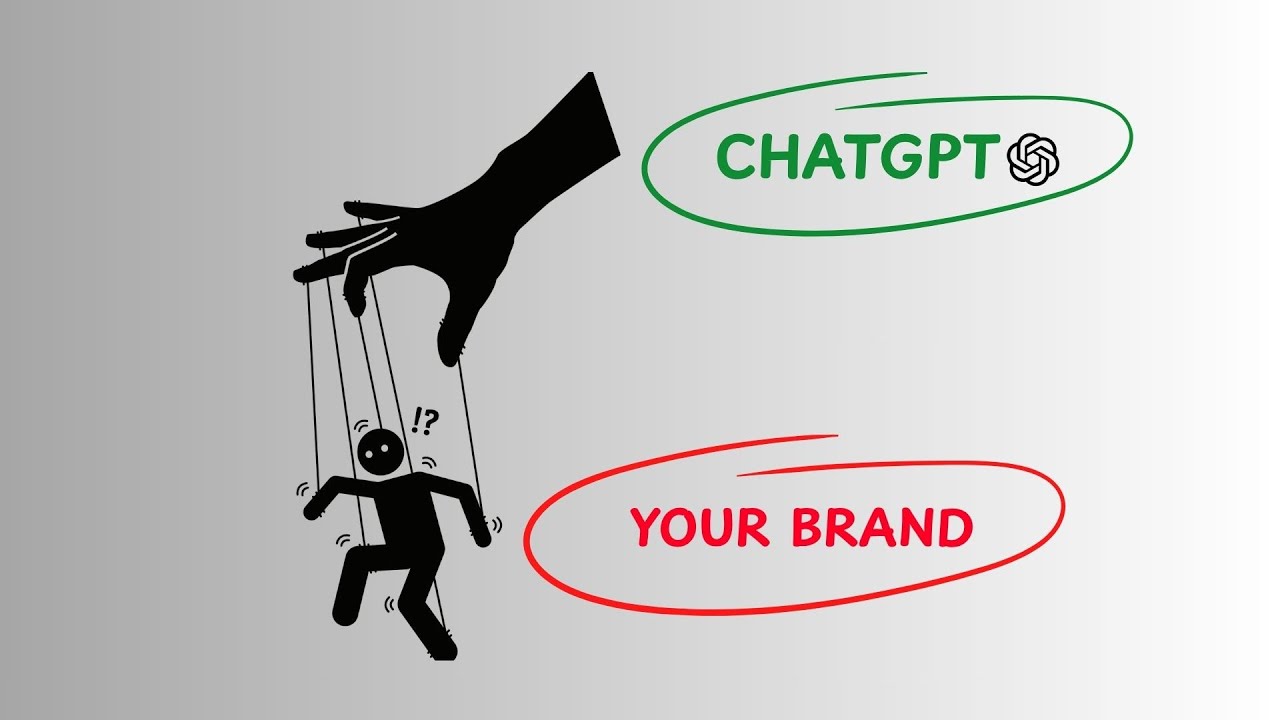
Local SEO discovery in LLMs doesn’t stop at your website or Google Business Profile. AI models scan far wider — Yelp lists, TripAdvisor rankings, Eater round-ups, Reddit threads, even neighborhood groups on Facebook or Nextdoor. These are the places where recommendations are made, and LLMs treat them as signals worth citing.
The pattern is backed by research. A 2025 analysis found AI search results disproportionately reference third-party and earned content over brand-owned sites. In practice, that means a *“Best tacos in Austin”*query is just as likely to surface Yelp’s Top 10 or a local food blog as it is a Google Map result. If your restaurant is in those lists, you’re in the conversation, and vice versa.
Community chatter matters too. Mentions in a Reddit thread about 24/7 vets or a Quora answer about family-friendly gyms can end up shaping AI-generated results because those models have been trained on the same data. Google’s local algorithm has always been selective about which citations count; LLMs have no such filter.
This means that your playbook has to expand. Make sure your listings on Yelp, Apple Maps, Bing Places, and TripAdvisor are complete and consistent. Look for opportunities to appear in “Top 10” or “Best of” lists in your niche, and encourage happy customers to mention you on community forums and social media.
Lastly, don’t just lurk — join the conversation. Set up alerts for your brand name on Reddit or other platforms so you can respond, clarify, or simply thank people when your business comes up.
6. Conversational Content and FAQ Optimization
Search queries now sound more like conversations: “What’s the best coworking space in Austin with hourly meeting room rentals?” or “Which family-friendly hotels in Miami have a kids’ pool and free breakfast?”
Those aren’t neat queries — they’re complex, multi-layered questions. When an AI processes them, it’s not looking for partial matches. It’s looking for businesses that tick every single box. If your content doesn’t answer those specifics clearly, you’ll be left out.
So how do you make sure the AI chooses you?
i. Add FAQs and Q&A Content
If customers are already asking,“Do I need an appointment for walk-ins at ?”, give them a clear answer on your site and in your Google Business Profile Q&A. You’re making life easier for customers and giving the AI the exact snippet it needs to trust your business.
ii. Use Long-Tail Keywords and Attributes
AI favors specificity. Don’t just say you’re a restaurant — say you’re *“a late-night café with a full vegan menu.”*Or if you run a gym, spell out the details: “Open 24/7 with women-only classes and childcare on-site.” If these attributes are buried or implied, LLMs might never pick them up.
iii. Leverage Schema and Structured Data
Yes, it’s technical, but schema markup (LocalBusiness, FAQPage, Review, etc.) makes your content machine-readable. It tells AI exactly what you offer, your hours, your services, and your FAQs. Think of it as plating up answers for the algorithm.
iv. Format Your Content So It’s Easy to Lift
AI is more likely to “lift” well-structured content. Short paragraphs, clean headings, bullet points, and snippet-ready blocks, such as a direct answer to “What sets you apart?” — increase the odds that your content gets cited.
Basically, focus on conversational SEO (sometimes called conversational local SEO). Instead of asking, “Am I ranking for ?” start asking, “Am I being mentioned when customers ask about my services in real language?”
Tracking Your Local SEO Performance in the AI era
You’ve done the work: updated attributes, encouraged richer reviews, refreshed photos, and written content that answers real questions. But the real measure of success is simple: are you actually showing up when AI surfaces local recommendations?
That’s the gap Keyword.com closes. Instead of only tracking if you rank for “dentist near me”, it shows how often your business appears in AI-driven results — Google’s AI Overviews, Bing Chat, ChatGPT, and other LLMs. You can see, in plain terms, whether:
- Updating attributes made you show up when people asked about specific needs like extended hours or payment options.
- Reviews are being pulled into AI-generated pros and cons.
- Fresh content updates helped you appear more often than competitors who’ve gone quiet.
At the same time, Keyword.com covers the fundamentals: traditional keyword rankings, competitor tracking, and tracking performance shifts. So you’re not choosing between “classic SEO” and “AI search” — you’re getting a clear picture of both.
Another thing to remember is that AI discovery isn’t static. Answers change as models update and competitors adjust their profiles. With Keyword.com, you can spot those changes the moment they happen and connect them back to specific actions, like filling in missing schema or asking for more detailed reviews.
Want to know if AI is recommending your business? Check out Keyword.com’s pricing plans to see how your local SEO translates into real visibility across search engines and AI answers.