
A strong SEO strategy starts with knowing how keyword volume and difficulty work together, and how search intent shapes what users expect to find.
You also need to consider:
- How often people search for a word: keyword volume.
- How hard it is to rank for it: keyword difficulty.
- What people are really looking for when they search: keyword search intent.
Mastering this keyword research trifecta helps your content rank higher in the SERPs, leading to more brand awareness and website visitors.
At a Glance: Keyword Volume vs. Keyword Difficulty vs. Search Intent
| Keyword Volume | Keyword Difficulty | Search Intent | |
| Definition | How often a keyword is searched. | How hard it is to rank for a keyword. | What the user wants to achieve with their search. |
| Why it Matters | Shows demand and traffic potential. | Helps choose keywords you can realistically rank for. | Guides you to create content that matches user expectations. |
| Strategy | Target relevant high-volume terms, balanced with difficulty. | Prioritize lower/medium-difficulty keywords for faster wins. | Match page type and content to user intent. |
| How to Measure | Difficulty scores from SEO tools like Ahrefs. | Intent scoring in rank tracking tools (e.g., Keyword.com). |
What is Keyword Volume?
Keyword volume is the number of times a keyword is searched per month. Insight: High volume = higher potential traffic.
It’s the average number of times users search for a keyword in a particular timeframe, usually a month. It’s mostly about Google searches but can include other search engines, too.
Search volume counts all searches, not just unique ones. So, if a keyword’s monthly search volume is 10, it could mean either ten different searches or fewer people making multiple searches. High-volume keywords can bring more traffic to your site. Whereas low-volume ones might have less competition, making it easier to target specific groups of people.
Keyword volume is important for SEO forecasting. It helps you gauge the popularity of a specific search term and estimate the amount of traffic it can drive to your website.
How to Find Keyword Volume
The main goal of keyword research is to find high-volume keywords that relate to your business.
You can do this by brainstorming terms your target audience might use when searching online. Put yourself in their shoes and think about what words they would use. Then use a keyword research tool to see how often those keywords are searched for.
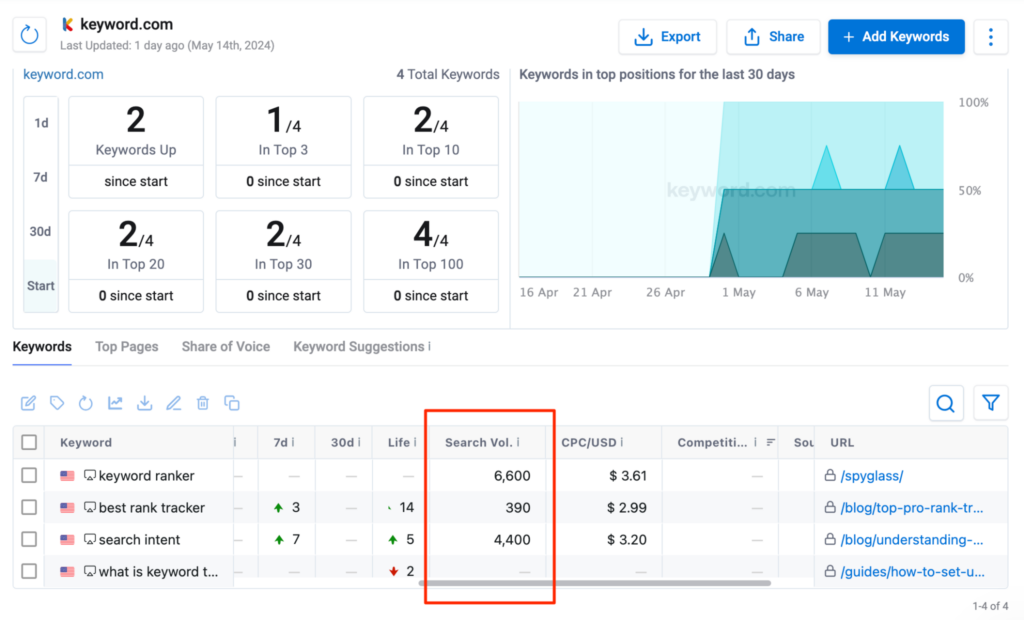
Here’s how easy it is to find keyword search volume on Keyword.com:
But it’s not just about picking the most popular keywords.
You should think about how difficult it is to rank for certain keywords. Aim for a balance between high search volume and manageable competition. Look for keywords with high search volume but low to medium difficulty or competition. This way, it’ll be easier for you to get noticed.
What is Keyword Difficulty?
Keyword difficulty is a score indicating how competitive a keyword is. Insight: High difficulty = harder to rank.
Keyword difficulty also tells you how hard or easy it might be to rank for a specific word or phrase on search engines like Google. It’s usually shown as a number or a scale, like low, medium, or high, or a range from 0 to 100.
You can use keyword difficulty scores as a metric to choose which words to prioritize. It’s best to opt for keywords with lower difficulty scores since they are more likely to show up in search results.
Key Factors to Calculate Keyword Difficulty
Below are the main factors that influence keyword difficulty:
- Competition Level: the number of websites or pages that are targeting the same keyword. High competition means more established websites with strong SEO practices are competing for the same terms.
- Domain Authority: the strength and reputation of the domains currently ranking for the keyword. Higher domain authority sites are harder to outrank.
- Content Quality: the relevance, depth, and usefulness of the content on the pages ranking for the keyword.
- Backlink Profile: the number and quality of backlinks pointing to the pages that rank for the keyword. Pages with a robust backlink profile are more difficult to outrank.
- Search Intent: that is, how well the content of ranking pages aligns with the search intent behind the keyword. If the intent is well met, displacing those pages might be more challenging.
How to Find Keyword Difficulty
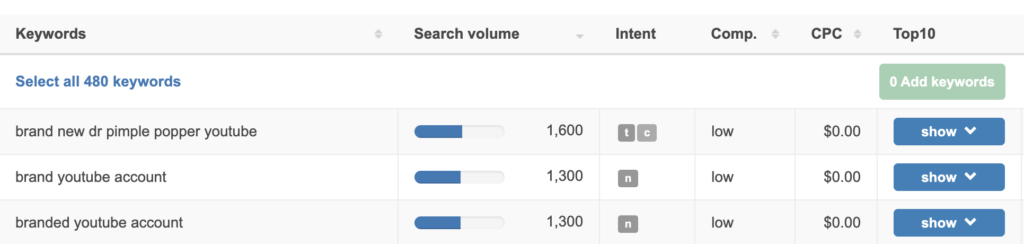
SEO tools like Semrush and Ahrefs provide keyword difficulty data, but they are quite expensive. If you have a small SEO budget, consider using Seobility’s “Competition metric” taken from Google Ads data to estimate how hard it will be to rank for a particular search term.
What’s the Difference Between Search Volume and Keyword Difficulty?
Search volume tells you how many people search for a keyword.
Keyword difficulty tells you how hard it is to rank for it.
High-volume keywords often have high difficulty. Low-volume keywords usually have lower competition and may convert better if they’re highly specific. The best opportunities sit in the overlap: good search demand with manageable difficulty.
What is Search Intent?
Search intent is the goal behind the search. Insight: Match intent to rank well.
Search intent or user intent is why someone searches for something online — whether to find an answer, locate a specific website, make a purchase, or explore a topic. In other words, it’s the information a user expects to find when they input a specific keyword or search term into a search engine.
Understanding and matching the search intent helps you create relevant content. Search engines like Google aim to provide the most relevant results for any given query — meaning pages that match search intent are more likely to rank higher in search results.
The 4 Types of Search Intent
- Informational Intent: users with informational intent want to learn something or find answers to their queries. They often search for how-to guides or informative articles. To meet this intent, create blog posts or detailed web pages on your website.
- Navigational Intent: users with navigational intent already have a specific website or brand in mind. They typically search for brand names or specific URLs. Publish useful company details, like an About or Location page, so these users can easily find what they want.
- Commercial Intent: users with commercial intent are in the research phase and are likely to consider a purchase. They may look for reviews or product comparisons. To meet this intent, create service pages or product comparison blog posts that compare products and help them decide what to buy.
- Transactional Intent: users with transactional intent are ready to take action, such as making a purchase or signing up for a service. They may use keywords like “buy” or “sign up” in their search queries. Ensure your product or service pages have clear CTA buttons or links to help these users make informed decisions.
How to Find Search Intent
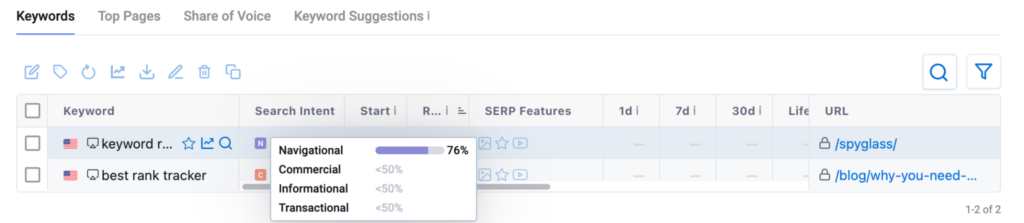
You can find search intent data in Keyword.com’s rank tracking dashboard. Our tool attaches a percentage score to each intent so you can easily see which intent weighs more for a particular keyword — helping you create more relevant content.
How to Use Search Intent, Keyword Volume, and Difficulty in Your SEO Strategy
Here are some best practices to build a solid keyword strategy that considers keyword volume, keyword difficulty, and search intent:
- Start with Intent: understand the intent behind the keywords relevant to your content or business.
- Analyze Volume and Difficulty Together: find a balance between keyword volume and difficulty. Sometimes, it’s worth targeting a high-difficulty keyword because of its volume and relevance. In other cases, focusing on lower-volume, lower-difficulty keywords can yield better ROI in terms of rankings and conversions.
- Use a Mix of Keywords: your strategy should include a mix of high-volume, high-competition keywords and low-competition, niche keywords. This approach helps secure quick wins while also working towards ranking for more competitive terms.
- Iterate Based on Performance: SEO is not a set-it-and-forget-it strategy. Regularly review your keyword performance and adapt your strategy based on what’s working. This might mean shifting focus to different keywords or altering your content to match search intent better.
- Content Quality: regardless of the keywords you target, the quality of your content is paramount. Ensure it’s well-researched, answers the user’s query, and provides value beyond what is currently available online.
Combining keyword volume and difficulty helps you identify opportunities with realistic ranking potential. Use Keyword.com to see which keywords have steady demand and where difficulty may be lower than competitors expect. Aim for keywords where search volume is strong enough to matter, but difficulty isn’t so high that ranking becomes unrealistic.
Monitor and Adapt Your Keyword Strategy
A strong keyword strategy isn’t static: keyword volume, difficulty, and intent all shift over time. Tracking your keywords with a tool like Keyword.com helps you see which terms gain traction, which lose momentum, and where competitors begin to rank.
Use Keyword.com to monitor your SEO Share of Voice, track rankings daily, and refine your content plan based on reliable performance data.
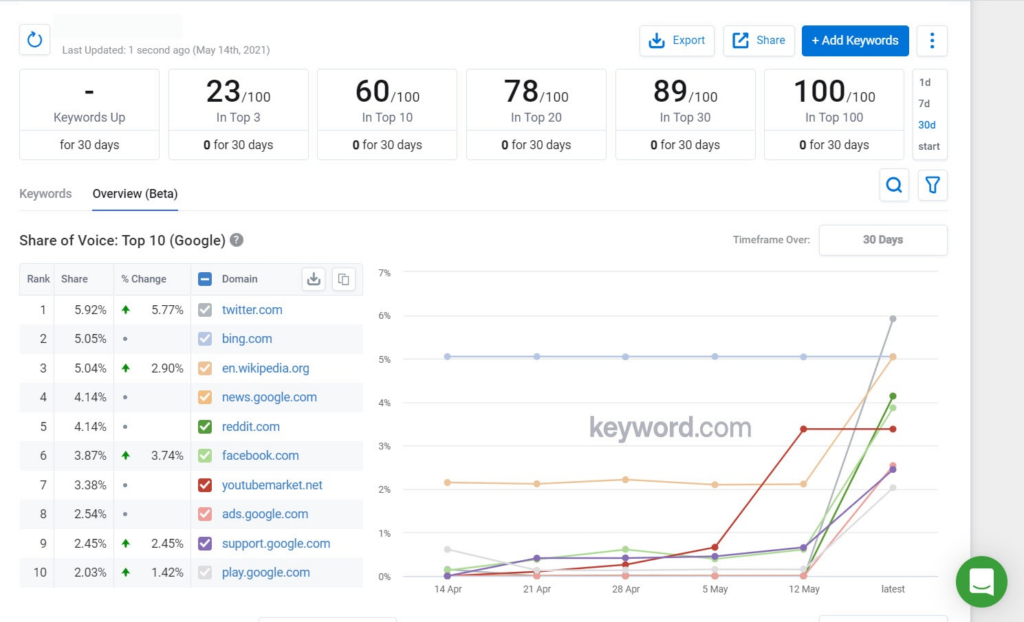
Keyword rankings now shift not only in traditional SERPs but also in AI-powered results. Keyword.com tracks both organic keyword movement and how visibility changes when AI systems generate summaries or answer boxes. This gives you a fuller view of how your keywords perform across modern search results.
Try Keyword.com out free for 14 days and see how your keyword strategy evolves.
FAQs About Keyword Difficulty, Keyword Volume, and Search Intent
1. What Does “Keyword Volume and Difficulty” Mean?
“Keyword volume and difficulty” refers to how often a keyword is searched (volume) and how competitive it is to rank for (difficulty). Volume helps you estimate potential traffic, while difficulty shows how realistic it is to reach page one. The best keywords offer meaningful volume with manageable difficulty.
2. What Is Keyword Volume in SEO?
Keyword volume is the average number of times a term is searched per month. It reflects demand for a topic and helps you gauge whether a keyword can drive traffic. Search volume encompasses all searches, not just unique users, and varies by industry, season, and trends.
3. What Does Keyword Difficulty Mean?
Keyword difficulty measures how hard it is to rank for a specific search term. It’s usually based on factors like competition, authority of ranking pages, backlink strength, and content quality. Higher difficulty means more established sites are already competing for that keyword.
4. How Do You Balance Search Volume and Keyword Difficulty?
Look for keywords with enough volume to bring meaningful traffic but low enough difficulty to give you a realistic chance of ranking. Long-tail keywords and niche terms often have lower difficulty while still attracting high-intent visitors. Tools like Keyword.com help you evaluate both metrics side by side.